Understanding the U.S. Specialty Coffee Market
From Definition to Investment Opportunities in an Industry Redefining Value
Over 50% of U.S. coffee consumption falls under the "Gourmet/Specialty" category, dominated by espresso-based beverages and cold coffee, with 67% of adults drinking coffee daily—the highest in 20 years. Gen Z and Millennials are the main drivers, while the "Hybrid Consumption" phenomenon creates unique opportunities for the roastery-café business model.
Before We Talk Specialty: Understanding the NCDT Foundation
Before diving into market analysis, we need to align on definitions. In the National Coffee Data Trends (NCDT) report, the term "specialty coffee" doesn't always mean what Q Graders or roasters think it means. The NCA has its own grouping methodology, and this is fundamental to reading all the data in this article correctly.
How NCA Does Its Grouping
The NCA categorizes beverages into "Specialty" based on consumer behavior—what they drank yesterday. Not based on lab cupping results or SCA scores. So if a respondent drank one of the categories below, they are recorded as a specialty consumer:
Espresso-Based
Latte, Cappuccino, Americano, Flat White
Innovative Cold Coffee
Cold Brew, Nitro Coffee, Frozen Blends
Premium Coffee
Based on consumer claims & packaging labels
"Perceived Premium" Segmentation
The NCA realizes that most home coffee drinkers have no idea whether their coffee scores 80+ on the SCA scale. They buy coffee labeled "Gourmet," "Premium," or "Specialty" at the supermarket, and that gets counted. This means the segmentation reflects economic value (higher price point) and lifestyle choice, not just the botanical quality of the beans.
"So when someone says 'specialty coffee market share is 50%,' that might include premium canned coffee bought at Walmart. Very different from SCA data that only counts 80+ cupping scores."
Different Goals: SCA vs NCA
| Aspect | SCA (Specialty Coffee Association) | NCA (National Coffee Association) |
|---|---|---|
| Focus | Technical standards & quality control | Market analysis & consumer behavior |
| Specialty Definition | Minimum cupping score 80+ out of 100 | Consumer perception & premium segmentation |
| Scope | From farmer to roaster (supply chain) | How much money circulates & what's trending |
| Data Target | Green bean quality, roasting profile | Beverages consumed yesterday |
Foundation Conclusion
In the NCDT report, the term Specialty Coffee is an Umbrella Term that the NCA uses to separate "Regular Commercial Coffee" (instant canned coffee, standard drip) from "Upper Segment Coffee" which includes espresso-based drinks and premium coffee. Understand this difference first, then we can read the market data accurately.
1. Why the "Specialty Coffee" Definition Matters
Now that we understand the NCDT foundation, let's dig deeper. In the global coffee ecosystem, there are two worlds that often overlap but have different goals. One talks cupping scores, the other talks buying behavior.
1.1 Two Overlapping Perspectives
SCA Technical Perspective
The Specialty Coffee Association (SCA) has a strict definition: coffee beans that have gone through professional cupping and scored a minimum of 80 out of 100 points.
This scoring system checks detailed parameters: bean cleanliness, uniform size, freedom from defects, and complex sensory profiles. So when someone says "this is specialty," according to the SCA, it needs to be backed by numbers.
NCA Market Perspective
The National Coffee Association (NCA), through its NCDT report, uses a pragmatic framework: specialty coffee is defined by consumer perception and economic value.
This approach measures specialty from the demand side to capture the entire spectrum of premium spending. Even if the coffee doesn't necessarily pass the 80+ cupping score, if consumers are willing to pay more and feel it's "special," it enters this category.
1.2 The NCDT Umbrella: What Is Actually Being Measured
Based on the 2025 Specialty Coffee Report, the term "specialty coffee" is broadly defined to capture three main categories. The NCA knows the market can't be cut with a sharp knife—there's a huge gray area that actually holds the most volume.
| Category | Product Examples | Defining Characteristic |
|---|---|---|
| Espresso-Based Beverages | Latte, Cappuccino, Americano, Flat White | The espresso machine acts as a visual "gateway" separating an ordinary coffee shop from one that's "a level above" |
| Innovative Non-Espresso | Cold Brew, Nitro Coffee, Frozen Blends | Premium because of unique extraction processes that differ from the norm |
| Traditional Premium Coffee | Brewed coffee labeled "Gourmet" or "Premium" | Based on consumer perception and product claims on packaging |
Why NCA Chooses the Behavioral Approach
Market Reality
Most U.S. consumers don't understand SCA cupping scores. They buy because they see "Gourmet" or "Premium" labels at the supermarket. That's a field reality that can't be ignored.
Economic Value
These labels function as segmentation proxies reflecting economic value and lifestyle choices. For the NCA, what matters is that consumers are spending more.
2. Breaking Down the Two Faces of the U.S. Coffee Market
The U.S. coffee market is like two countries within one border. Some drink coffee to "stay awake"—need caffeine, cheap, fast. Others drink coffee to "live"—seeking experience, stories, and different flavors. Based on NCA taxonomy, here's the difference:
2.1 Commercial Coffee: Functionality and Accessibility
Product
Standard black coffee, canned grounds, non-premium instant
Method
Automatic drip machine as the dominant home method
Orientation
Caffeine needs at an affordable price, no fuss
In NCA taxonomy, commercial coffee is everything that doesn't fall into the "Gourmet" or "Specialty" category. These products are characterized by uniform grinding, dark roast profiles, and packaging designed for long shelf life. Not necessarily bad—just different purpose. This is coffee for mass consumption, consistency, and keeping the wallet happy.
Key Operational Differences
| Aspect | Commercial Coffee (Standard) | Premium Segment (Specialty) |
|---|---|---|
| Product Form | Canned grounds / Instant coffee | Whole bean / Espresso |
| Brewing Method | Standard drip machine | Espresso machine, V60, Cold Brew |
| Consumer Perception | Cheap commodity | Taste experience & lifestyle |
| Brand Identity | Mass market brands (e.g., Folgers) | Artisanal brands or independent cafés |
3. Consumer Dynamics: Who, Where, and How
Now for the fun part: who exactly is drinking specialty coffee in the U.S.? The answer isn't as simple as "young people in big cities."
3.1 Generational Demographics Map
Gen Z (18-24)
Cold Coffee GenerationFor them, specialty isn't an upgrade—it's the norm. Over 60% of their coffee consumption falls into the specialty category.
Millennials (25-39)
Home Brewing DriversThe generation most responsive to storytelling and transparency. The main driver of premium whole bean coffee sales.
Gen X & Boomers
Gradual TransitionStarting to shift toward specialty but remaining loyal to hot formats. Don't underestimate them—they have strong purchasing power.
3.2 Geography of Consumption: Urban to Regional
Urban: Ready-to-Drink Dominance

In urban areas, specialty penetration is very high and dominated by ready-to-drink purchases at coffee shops. This correlates with the on-the-go lifestyle: walking workers, informal business meetings, and the "third place" culture.
Characteristics: High café density, constant innovation, high operational costs, intense competition.
Rural: Packaged Bean Growth
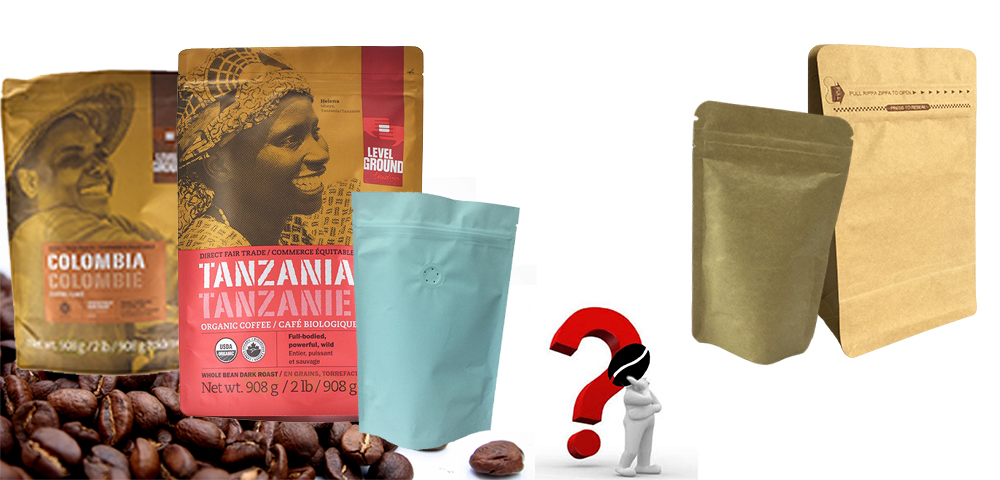
In rural areas, physical coffee shops are much scarcer. But this is exactly where packaged coffee bean sales through e-commerce and big retail show the most significant growth.
Characteristics: Serious home brewing, popular subscription services, strong online coffee communities.
Penetration Across 9 U.S. Census Regions
| Region | Characteristics | Segment Focus |
|---|---|---|
| Northeast (NY, Boston) | Epicenter of espresso and independent cafés | Espresso-based drinks, mature coffee culture |
| Pacific (CA, WA, OR) | The "Mecca" of specialty culture | Single origin, local roasteries, process experiments |
| South Atlantic | Rapid premium drive-thru expansion | Cold Brew, fast formats, convenience |
| Midwest | Traditional market with big-city exceptions | Hot coffee, classic formats, slow transition |
| Mountain States | Very high per-capita consumption (cold climate factor) | All formats, hot coffee, ready-to-drink |
4. Hybrid Consumption: The Modern Consumer Paradox
One of the most fascinating findings from the NCDT report is the "Hybrid Consumption" phenomenon—many consumers considered "specialty" at coffee shops actually drink commercial coffee at home.
The Two Coffee Lives Pattern
They have two personas. Outside the house, they're coffee snobs willing to pay $6 for a single-origin pour-over. At home? Instant or supermarket canned coffee without guilt. And this isn't hypocrisy—it's rational consumer strategy.
At the Coffee Shop
- Willing to pay $5-7 for a latte
- Seeking experience and social status
- Appreciating atmosphere, music, and aesthetics
At Home
- Practical with instant or canned coffee
- Focus on functionality and price
- No audience to impress
Strategic Implications for the Industry
For Coffee Shops
- Transform into an experience destination, not just a transaction point.
- Invest in interior design, music, scent marketing, and lighting.
- Create "shareable moments" that are Instagram-worthy.
Cross-Selling Opportunities
- Sell packaged beans to loyal visitors. They already love the taste here, why not take it home?
- Subscription programs with exclusive discounts for café regulars.
- Offer realistic solutions for home needs. Don't be shy about selling more "accessible" coffee.
5. Winning Strategies in Two Main Sectors
Alright, we understand the market now. So how do you win? I break it down into two main arenas: the coffee shop (B2C, experience-driven) and packaged coffee beans (B2C/B2B, trust-driven).
Coffee Shops: Speed of Innovation
Seasonal Menus and Rotation
Speed of innovation is a competitive necessity, not a luxury. Seasonal menus create urgency and a reason to come back.
Focus: Seasonal cold drinks, local collaborations (bakery, brewery), limited-edition local ingredients.
Margin Optimization
Cost of Goods Sold (COGS) at coffee shops typically runs 15-25%. The highest margins are in Cold Brew and Latte.
🔥 KEY FACT: 75% of specialty consumption is cold coffee. If your shop hasn't gone all-in on cold menu, you're falling behind.
Coffee Beans: Transparency and Trust
Authentic Storytelling
Origin and roast profile become the pillars of differentiation. Consumers want to know the story behind their coffee.
Narrative example: "Finca El Paraíso, Huila, Colombia, managed by the third-generation Rodriguez family. Natural process, medium roast, notes of strawberry and chocolate."
Digital Technology
QR codes on packaging that tell the bean's journey from farmer to cup. This creates an emotional connection that big brands can't replicate.
📱 30-50% margin post-roasting with stable online sales. E-commerce is a profitable channel for small roasteries.
Business Strategy Comparison: Coffee Shop vs Packaged Beans
| Feature | Coffee Shop (Beverage) | Coffee Beans (Roasted) |
|---|---|---|
| Sales Driver | Speed & Beverage Aesthetics | Origin & Roast Profile |
| Primary Target | Gen Z & Millennials (Cold Coffee) | Home Brewing Enthusiasts |
| Profit Margin | Very high on milk/espresso drinks | Depends on bean scarcity |
| Specialty Definition | Machine technique & presentation | Physical bean quality & transparency |
Hybrid Model: Roastery + Café
This is my favorite model. Combining roastery (production) with café (retail) in one location. The synergy is incredibly strong.
Experience Synergy
- Consumers see the roasting process firsthand. The smell of roasting is free marketing.
- Vertical integration reduces supply chain costs.
- The "roasted on-site" narrative becomes a differentiator that franchises can't easily copy.
Loyalty Ecosystem
- Multiple entry points for various segments: casual drinkers, home brewers, wholesale partners.
- Cupping workshops, origin trips, subscription services—all increasing stickiness.
- Customer lifetime value increases because of multiple touchpoints.
6. Market Size and Investment Outlook
For those asking "is it worth investing in U.S. specialty coffee?"—this data is your answer. This market isn't a bubble. It's a structural shift that has passed the tipping point.
U.S. adults drink coffee every day, a two-decade record.
Coffee consumption falls under the Gourmet/Specialty category.
Of total specialty consumption is in cold format.
Growth Directions Worth Watching
Cold Coffee Escalation
Transformation from seasonal trend to year-round habit. This preference has become a lifestyle, driven by comfort and the perception of being "healthier" (less acidic, smoother).
Implication: Sustainable investment in cold coffee production capacity and infrastructure—not just a summer campaign.
Plant-Based Milk Penetration
Oat milk and other alternatives have evolved from "accommodation" to mainstream preference. Personalization is now an expectation, not a bonus.
Opportunity: Differentiation through seamless and consistent personalization.
Blurring Lines
The boundary between commercial and specialty is increasingly blurred. The emergence of "Specialty Instant" and fast-casual coffee concepts is making premium and mass segments overlap.
Strategy: Double down on authentic differentiation that mass players can't replicate.
Investment Conclusion
The U.S. specialty coffee market shows very strong fundamentals with structural growth, not cyclical. This segment has passed the tipping point—specialty is no longer a niche, but a dominant force redefining the entire coffee industry.
For investors and business owners, the most attractive opportunity set lies in the specialty segment, despite high entry barriers and competition. Focus on value creation and community building, not just volume chasing.
Data Sources and References
Primary References
National Coffee Association (NCA)
National Coffee Data Trends (NCDT) 2025 Specialty Coffee Report
https://www.ncausa.org/Specialty Coffee Association (SCA)
Technical standards and specialty coffee definitions
https://sca.coffee/Industry Collaboration Report
Market analysis and specialty coffee consumption trends in the United States
Official release on NCA websiteNote: All data and statistics in this report are sourced from official NCA and SCA publications. For more information and latest updates, please visit the official websites of these organizations.